You Cannot Handle It Alone: A Biblical Leadership Lesson from Exodus 18
Exodus 18 gives us a foundational lesson in biblical leadership structure—a structure designed to sustain calling without destroying the leader.
“What you are doing is not good… You and these people who come to you will only wear yourselves out. The work is too heavy for you; you cannot handle it alone.”
What Exodus 18 Teaches About Biblical Leadership Structure
There is a quiet danger in leadership.
It rarely announces itself with rebellion or obvious failure. It sneaks in through something far more innocent: responsibility. Moses wasn’t lazy, unfaithful, or disobedient. He was simply doing too much.
From dawn to dusk, he sat as judge, counselor, and problem-solver for a nation of two million souls. They came to him with every dispute, every question, every crisis. And because he loved the people—and loved God—he showed up every single day. But showing up isn’t the same as leading sustainably.
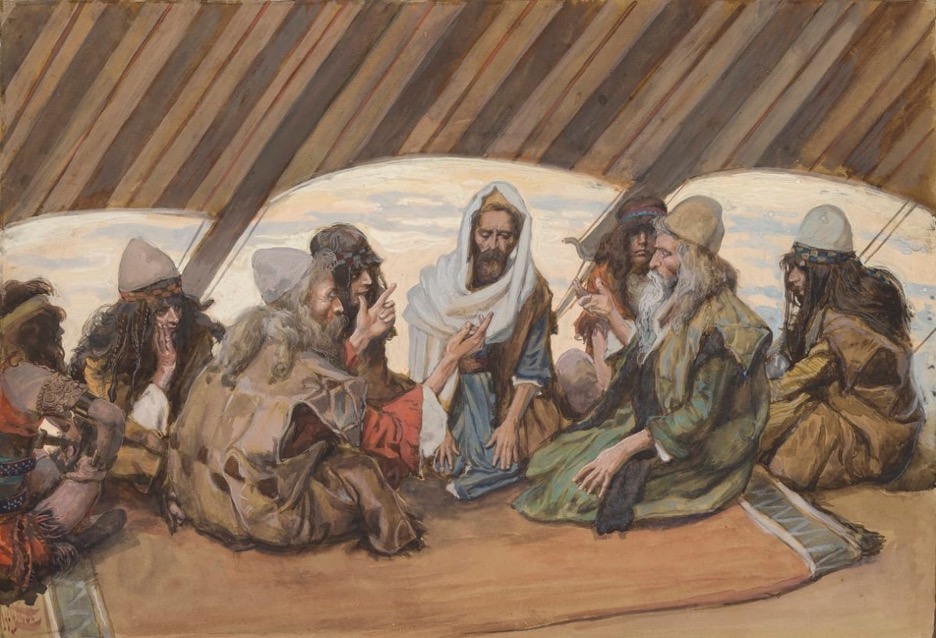
When Leaders Are Too Close to See Clearly
Leadership can trap us inside the very work God has called us to. We handle incoming demands, respond to urgencies, extinguish fires, and chase the next crisis. Before we know it, we’re buried beneath the calling itself—trying to lead from the inside looking out.
God, however, sees from a higher vantage point: “As the heavens are higher than the earth, so are my ways higher than your ways…” (Isaiah 55:9). Sometimes He sends someone from the outside to help us see what we can’t. For Moses, that someone was Jethro—his father-in-law. Jethro observed quietly, then spoke plainly: “What you are doing is not good.”
Not sinful. Not wrong. Not unspiritual. Just not good—because the system Moses had built couldn’t bear the weight it carried.
A Lesson from my Dad about Structure
At 21, I was thrust into managing contracts worth over seven million dollars (in today’s terms) in the window industry—one massive project alone involved replacing 7,000 windows across nearly 50 buildings in New York City. Thirteen major contracts like this in total. Over 50 workers and subcontractors. Endless daily fires and unrelenting pressure.
I was reacting, not leading. Managing urgency, not building structure.
Then my father came out of retirement to help. He didn’t question my drive or my calling to lead. He didn’t take over. He simply offered perspective. He had me strap on my tool belt and tackle the toughest projects one at a time, while he stepped back, reorganized workflows, delegated wisely, and created real structure.
He did exactly what Jethro did for Moses: elevated the system so the leader could survive—and thrive in—the assignment of what I was meant to do. That season reshaped my understanding of leadership forever.
What Jethro Teaches About Biblical Leadership Structure
Looking closely at Exodus 18, Jethro provided three transformative gifts:
- He Clarified the Leader’s Role
Jethro reminded Moses: You represent the people before God. You teach His decrees. You set the direction. Your primary job isn’t solving every problem—it’s fulfilling your God-given role. Many leaders burn out not from lack of passion, but from never clearly defining what only they should do. - He Designed a Structure
Jethro proposed a clear framework: leaders over thousands, hundreds, fifties, and tens. Layers of responsibility that shared the load. The goal? “They will share the burden with you.” Delegation isn’t losing control—it’s multiplying capacity. Insisting on doing everything ourselves doesn’t protect excellence; it limits growth. - He Created Sustainability
“You will wear yourselves out,” Jethro warned. Burnout is rarely a calling problem—it’s often a systems problem. Vision without structure leads to exhaustion. Calling without process leads to collapse. Healthy leadership demands both spiritual sensitivity and organizational clarity.

The Season of Counsel
At the chapter’s close, there’s quiet beauty: After Moses implemented the new structure, he sent Jethro on his way.
Some mentors and advisors are seasonal. Some coaches arrive for a specific purpose—to help build systems we can’t see from inside the storm. Once the work is done, they release us to carry on stronger.
Why This Leadership Lesson Matters for Pastors and Leaders Today
Countless pastors, nonprofit leaders, entrepreneurs, and business owners are living the pre-Jethro Moses life: faithful, hardworking, deeply committed—but overwhelmed. They’re leading from inside the pressure instead of above a healthy structure.
This is exactly why we created Crossway Solutions.
Not to replace your vision. Not to seize control. Not to doubt your calling. But to offer:
- Clarity of role
- Strategic structure
- Operational process
Through our three-phase model:
- Clarify the Vision — Define mission, role, and priorities.
- Build the Structure — Design systems, delegation, and governance.
- Strengthen the Leader — Develop sustainable leadership capacity.
The Organizational Leadership Track exists for this purpose. Because calling is sacred—but structure is stewardship.
Final Reflection
If you’re exhausted…
If the day-to-day buries you…
If your once-vibrant vision now feels heavier than ever…
Pause…and Ask the honest question: Is the problem my calling? Or is it my structure?
You cannot handle it alone…that isn’t weakness…that’s wisdom.
God often sends a Jethro just before He expands your influence.
The real question isn’t whether help is available.
It’s whether you’ll listen.
What about you? Have you ever had a “Jethro” moment that changed everything? I’d love to hear your story in the comments.
by Dr. Joseph A. Ocasio, founder of Crossway Institute and a leadership development strategist serving pastors and ministry leaders.